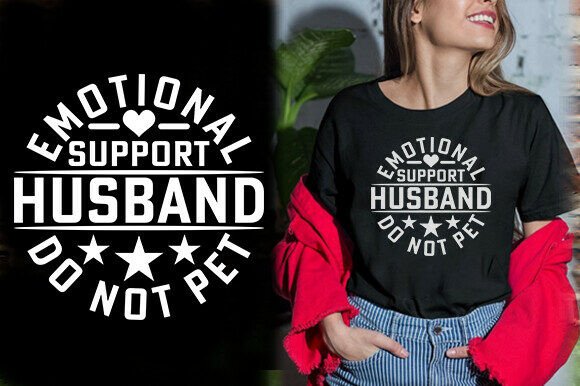
Emotional Support Husband TSH: Graphics & Designs
As a digital publisher and blog designer, I evaluate every graphic design asset through the lens of editorial performance and reader engagement. When reviewing the Emotional Support Husband Do Not Pet TSH, my immediate focus is not just on the apparel itself, but on how this visual translates across digital platforms. This asset carries a distinct lifestyle-focused mood that blends modern humor with relationship-centric branding. It feels playful yet intentional, striking a balance that is essential for content creators in the marriage, mental health, or lifestyle niches. The typography and layout suggest a clean, bold aesthetic that avoids looking cluttered, which is a critical factor when adapting T-Shirt Designs for web use.
The editorial mood created by this design is one of approachable authenticity. In an era where curated perfection often alienates readers, this graphic signals relatability. For a blogger or newsletter creator, this establishes immediate trust. It tells the audience that the content within will be supportive, perhaps slightly humorous, and grounded in real-life dynamics rather than abstract theory. This specific emotional resonance is what transforms a simple image into a high-performing website header or featured graphic.
Integrating Couple Apparel Graphics into Editorial Workflows
In a real publishing workflow, versatility is non-negotiable. I have tested similar assets in various content marketing scenarios, and the Emotional Support Husband Do Not Pet TSH proves highly adaptable. For affiliate marketers promoting POD products or relationship coaching services, this graphic serves as an excellent anchor for review posts and gift guides. It functions effectively as a Pinterest pin because the text hierarchy is legible even at smaller sizes, encouraging clicks from users searching for couple goals or funny anniversary gifts.
Beyond social media, this asset supports long-form content. Imagine using it as a visual break in a 2,000-word article about maintaining individuality in marriage. Instead of generic stock photography, this specific creative design reinforces the article’s core message. It can also be repurposed for digital products. If you are creating a lead magnet such as a "Couples Communication Checklist" or a digital guide on navigating neurodivergence in relationships, this graphic provides a professional yet warm cover image that aligns perfectly with the downloadable resource's tone.
- Blog Featured Images: Sets a clear, humorous tone for relationship advice columns.
- Newsletter Headers: Increases open rates by promising relatable, non-clinical content.
- Social Media Graphics: Highly shareable format that encourages tagging partners.
- Canva Template Elements: Serves as a foundational layer for custom quote cards.
- Affiliate Content Visuals: Directly showcases the product while adding editorial value.
Visual Hierarchy and Reader Trust Metrics
Performance in digital publishing is directly tied to visual clarity. The Emotional Support Husband Do Not Pet TSH succeeds because it respects visual hierarchy. The primary message is instantly readable, while secondary design elements support rather than compete with the text. This clarity reduces cognitive load for website visitors, making them more likely to engage with the surrounding content. When blog graphics are too busy or abstract, bounce rates increase; this asset avoids that pitfall through its focused composition.
Furthermore, consistent use of this style of modern design strengthens brand identity. For small business branding in the lifestyle sector, moving away from sterile corporate imagery toward personality-driven graphics helps differentiate a site from competitors. Readers begin to associate this specific aesthetic with your voice. Whether used in a media kit to attract sponsors or as a category thumbnail for a "Marriage Humor" section, the design acts as a visual shorthand for your brand’s values. It signals that your platform understands the nuances of modern partnerships, thereby improving reader retention and loyalty.
Strategic Placement for Maximum Engagement
Knowing where to deploy a design asset is as important as the asset itself. Based on my analysis, the Emotional Support Husband Do Not Pet TSH performs best in hero sections and mid-content breakpoints. As a hero image, it immediately qualifies the visitor, ensuring that those who stay are aligned with your niche. In email marketing, it works exceptionally well as a header for segmented lists targeting married couples or partners seeking lighthearted connection tips.
However, publishers must exercise caution in certain contexts. This graphic should be used carefully in strictly clinical or therapeutic settings where humor might be misinterpreted as minimizing serious issues. It may also struggle in very minimal, text-heavy academic layouts where decorative elements are discouraged. Additionally, when resizing for mobile thumbnails, ensure the "Do Not Pet" text remains legible; if the font size drops below a readable threshold, the humor is lost, and the image becomes mere noise. Always preview social media graphics on actual devices before scheduling posts to verify impact.
Publisher Notes: Technical Specs and Licensing Compliance
Before integrating this printable design or digital graphic into a monetized workflow, several technical checks are mandatory. First, confirm the commercial license. Using Graphics from a creative marketplace requires verifying that you have the rights to use them in affiliate marketing, paid digital downloads, or ad campaigns. Never assume personal use rights extend to commercial publishing.
From a web performance standpoint, optimize the file. High-resolution source files are great for print, but they kill page speed. Compress the image to under 150KB for web use without sacrificing sharpness. Test the graphic against your site’s color palette; place it beside both serif and sans-serif fonts to ensure typographic harmony. If your blog uses a dark mode, check how the design adapts—invert colors or add a subtle overlay if necessary to maintain contrast. Finally, A/B test this asset against a standard photo in your next content marketing campaign. Track metrics like time-on-page and click-through rate to validate its effectiveness for your specific audience. By treating this T-shirt design as a strategic editorial tool rather than just decoration, you unlock its full potential to drive engagement and revenue.