Little Miss Valentine SVG: A Designer's Review
As a professional embroidery digitizer and product reviewer, I approach every new digital asset with a critical eye. When evaluating the Little Miss Valentine - Color SVG, my first thought isn't just about how cute it looks on a screen, but how it will translate into physical thread and fabric. This design arrives as a digital download containing one SVG file optimized for Cricut Explore and Silhouette Designer Edition, along with a PNG file. While these formats are primarily intended for vinyl cutting and sublimation, they serve as an essential blueprint for those of us in the machine embroidery design space who create custom apparel or mixed-media projects.
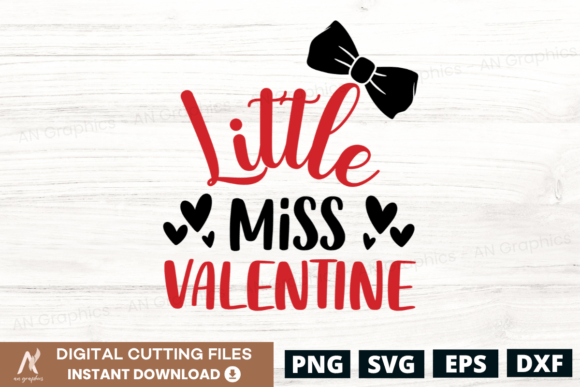
The visual personality of this graphic is distinctly playful yet structured. It carries that nostalgic "storybook character" aesthetic that resonates deeply with customers looking for personalized gifts or boutique-style merchandise. The layout is balanced, suggesting it would work beautifully as a centered chest placement on a sweatshirt or a prominent feature on a tote bag design. However, moving from a vector graphic to a stitched reality requires careful consideration of stitch density, fabric texture, and stabilization. Here is my practical assessment of using this design concept in real-world embroidery and crafting scenarios.
Translating Vector Graphics to Stitched Reality
When I look at the Little Miss Valentine - Color SVG, I see a design that begs for color blocking. In embroidery terms, this suggests a natural affinity for applique design techniques rather than dense fill stitch areas. If you are digitizing this for needle and thread, consider breaking the character down into separate fabric pieces. This reduces stitch count significantly, making it safer for stretchy fabrics like jersey knits used in baby embroidery or lightweight t-shirts.
For craft business owners using the included SVG file directly with a cutting machine, the clean lines are a major advantage. The vectors appear smooth, which means your blade won’t stutter on jagged edges when cutting heat transfer vinyl (HTV) or adhesive vinyl. This clarity is vital for maintaining professionalism in your finished product. Whether you are creating a custom apparel piece for a client or stocking up for a holiday market, crisp edges signal quality to the buyer. If you plan to combine this cut vinyl with embroidery—a popular mixed media trend—the high-resolution PNG serves as an excellent reference for matching thread colors to your vinyl palette.
Real-World Application: The Custom Sweatshirt Project
To truly test the viability of this design, let’s imagine a specific scenario: creating a premium Valentine’s Day sweatshirt for an Etsy listing. Sweatshirt embroidery presents unique challenges due to the fleece backing and stretchy face fabric. Using the Little Miss Valentine - Color SVG as your guide, you must decide between a traditional satin stitch outline or a running stitch detail.
In my experience, designs with this level of whimsical detail perform best when the stitch type matches the garment's weight. A heavy satin stitch might cause puckering on a soft cotton fleece. Instead, I would recommend interpreting the SVG’s bold lines as a medium-weight satin stitch or even a bean stitch for better durability and texture. If you are using the SVG to cut HTV instead, ensure you mirror the image before cutting and use a Teflon sheet to protect the fabric during pressing. For the embroidered version, always test on a scrap of the actual sweatshirt material first. Fleece can swallow fine details, so you may need to increase the column width slightly compared to what looks correct on your monitor.
Navigating Fabric Limitations and Hoop Sizes
Not every fabric is a suitable canvas for the Little Miss Valentine - Color SVG. As designers, we must be realistic about where this design thrives and where it struggles. Because the artwork likely features distinct color regions and potentially small facial details, textured fabrics like terry cloth or thick linen can obscure the design's charm. These textures compete visually with the graphic, reducing recognition and impact.
Furthermore, consider your hoop size limitations. If you are working with a 4x4 hoop, you may need to scale the design down significantly. Before doing so, inspect the smallest elements of the SVG. Tiny lettering or intricate accessories on the character may become unrecognizable if reduced too much. In such cases, this design is better suited for larger hoops or adult-sized garments rather than baby clothes where space is limited. For curved surfaces like caps, the flat nature of an SVG requires distortion correction during digitizing; do not simply stitch a flat vector onto a curved brim without adjustment, or the proportions will warp.
Commercial Viability and Customer Trust
For Etsy sellers and small shop product creators, consistency is currency. The Little Miss Valentine - Color SVG offers a cohesive look that can anchor a seasonal collection. However, customer trust relies on accurate representation. If you are selling digital embroidery files based on this art, or finished items featuring it, your mockups must be honest. Use the included PNG to create printable mockups that accurately reflect the final output. Do not show a pristine vector image if the actual embroidered patch has a different texture or sheen.
Value perception also ties into licensing. Since this product description specifies a digital download for personal or commercial crafting tools like Cricut and Silhouette, you must verify the specific license terms regarding finished products versus digital redistribution. Never assume you can resell the digital embroidery file itself unless explicitly permitted. Clarifying this protects your business and respects the original artist. When marketing the finished handmade product, highlight the specific techniques used—such as "hand-guided applique" or "premium vinyl application"—to justify price points and differentiate from mass-produced alternatives.
Essential Pre-Stitch Checklist for Makers
Before you commit this design to fabric or vinyl, run through this practical checklist to ensure professional results:
- Verify File Compatibility: Confirm that the SVG opens correctly in your specific software version and that nodes are welded properly for cutting.
- Check Contrast: Test the design in black and white mode. If the values are too similar, the design will look muddy on dark fabric. Adjust thread colors or vinyl layers accordingly.
- Stabilizer Selection: Match stabilizer weight to the fabric. Use cut-away for stretchy knits and tear-away for stable wovens. Never skip stabilizer on t-shirt designs.
- Detail Inspection: Zoom in to 400% on the SVG. Are there stray nodes or open paths? Fix these digitally before cutting or digitizing to prevent machine errors.
- Wash Testing: If selling children’s items or kitchen towels, wash a test sample. Ensure the satin stitch doesn’t unravel and the vinyl doesn’t peel after three cycles.
- Licensing Confirmation: Re-read the terms included in your .zip file. Document your right to sell finished goods to avoid future disputes.
Final Thoughts on Design Versatility
The Little Miss Valentine - Color SVG represents a versatile asset for the creative entrepreneur. Its strength lies in its adaptability across mediums, from digital cutting to serving as a digitizing template for machine embroidery design. Success with this file depends less on the file itself and more on your technical execution and material choices. By respecting the relationship between the digital graphic and the physical substrate, you transform a simple download into a high-value, sellable product that delights customers and strengthens your brand reputation. Always prioritize testing over speed, and let the quality of your craftsmanship speak as loudly as the design itself.