Open Book Silhouette with Flower T-shirt Graphics Review
First Impressions: Evaluating the Mood for Literary Branding
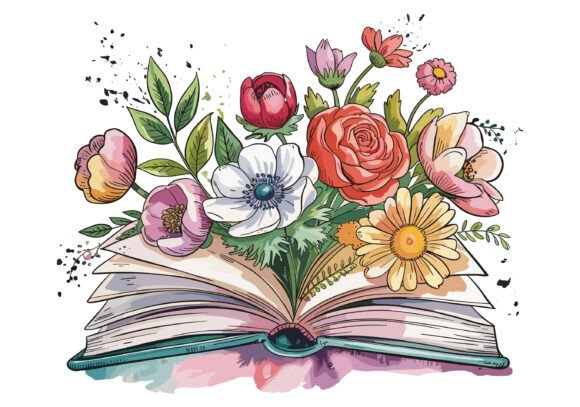
When reviewing the Open Book Silhouette with Flower T-shirt asset for a recent client campaign, my immediate focus was on emotional resonance. As a brand designer working with independent authors and cozy lifestyle businesses, I need visuals that communicate warmth without sacrificing professionalism. This specific graphic design asset strikes a delicate balance between organic softness and structured literacy. The silhouette style removes unnecessary detail, allowing the viewer to project their own meaning onto the image, while the floral element introduces a sense of growth, creativity, and natural beauty.
For a marketing campaign targeting readers, educators, or journal enthusiasts, this illustration avoids the sterile look of generic stock vectors. Instead, it offers a handcrafted aesthetic that supports audience trust. In my assessment, the mood is distinctly approachable yet refined, making it suitable for premium visual content rather than just casual merchandise. It signals to the consumer that the brand values both intellect and aesthetics, a crucial combination for modern creative entrepreneurs building a loyal community.
Integrating the Vector into a Seasonal Content Launch
To test the practical utility of this asset, I applied it to a real-world scenario: a spring reading challenge launch for a small business client. We needed a cohesive visual thread across multiple touchpoints. The Floral Open Book Outline Vector served as the anchor for our entire campaign identity. Because the design relies on clean lines and negative space, it was incredibly versatile when adapting to different formats.
We utilized the SVG design for scalable web headers and email banners, ensuring crisp edges on high-resolution displays. Simultaneously, the PNG design proved invaluable for social media graphics where transparency was required. Unlike complex illustrations that can become muddy when resized, this minimal open book flower vector design maintained its integrity whether used as a subtle watermark on a blog post or a bold centerpiece on an Instagram carousel. This flexibility is essential for content marketers who need to produce high volumes of assets without losing brand consistency.
Strategic Applications Across Digital and Print Media
The true value of any creative design lies in its adaptability. During our campaign, we found this asset performed exceptionally well in specific marketing contexts:
- Social Media Graphics: Used as a recurring motif in Pinterest pins and Instagram stories to create instant recognition without overwhelming the text overlay.
- Packaging Design: Printed on tissue paper and thank-you cards to elevate the unboxing experience for physical book orders.
- Digital Ads: Served as a visual hook in Facebook ads, stopping the scroll by combining familiar literary symbolism with fresh botanical art.
- Editorial Design: Functioned as a chapter header or pull-quote accent in digital lead magnets and PDF guides.
- Merchandise: While categorized under T-Shirt Designs, the artwork translated beautifully to tote bags and enamel pins, expanding revenue streams.
By treating this graphic as a modular brand element rather than a standalone image, we maximized the ROI of the design bundle. It supported our content marketing goals by providing a professional branding touchpoint that felt custom-made for the niche.
Where This Asset Elevates Brand Identity
Not every graphic fits every strategy. Through testing, I identified specific areas where the Decorative Book Silhouette with Flowers shines brightest. It is most effective when used to soften corporate edges or add personality to minimalist layouts. For hero graphics on landing pages, it provides an immediate contextual cue that tells visitors they are in the right place. In branded templates for Canva, it acts as a flexible container for text or product photography, helping to establish a clear visual hierarchy.
Furthermore, this asset excels in building emotional connection. For online coaches and educators, the fusion of books and flowers metaphorically represents knowledge blooming into wisdom. This subtle storytelling enhances engagement rates because the visual aligns perfectly with the transformative promise of the service. When used in packaging accents or promotional banners, it reinforces the idea of a curated, thoughtful brand experience, distinguishing small business branding from mass-market competitors.
Navigating Limitations and Contextual Risks
As with any commercial design, there are environments where caution is necessary. I advise against using this specific silhouette in dense information layouts or highly technical B2B presentations. The organic curves can clash with rigid data tables or distract from critical financial information. Additionally, in formal corporate branding sectors like law or finance, the whimsical nature of the floral integration may undermine perceived authority.
Designers must also be mindful of contrast. On low-contrast backgrounds or busy photographic overlays, the silhouette can lose definition. Always ensure sufficient padding around the asset; crowding it with text destroys its elegant simplicity. Finally, while it works for apparel, avoid placing it too small on mobile graphics. The intricate floral details within the book outline require adequate pixel density to remain legible on smartphone screens. If the primary goal is rapid information consumption in a text-heavy ad, a simpler icon might outperform this more decorative illustration.
Professional Designer Notes for Implementation
Before deploying the Book and Flower Silhouette Art in a paid campaign or client deliverable, run through this professional checklist to ensure quality and compliance:
- Palette Testing: Never assume black is the best color. Test the vector in your specific brand colors to see if the floral details hold up. Sometimes a monochrome tone creates a more premium feel than multicolor gradients.
- Typography Pairing: This asset pairs exceptionally well with serif fonts for a classic editorial look or handwritten scripts for a personal touch. Avoid heavy industrial sans-serifs, which can create visual dissonance.
- Mockup Validation: Always preview the design in realistic mockups. Seeing it on a textured paper background or fabric reveals how the lines interact with real-world surfaces versus a flat digital screen.
- Licensing Verification: Confirm the commercial license terms before using the asset in products for sale or paid advertising. Understanding usage rights protects your business from legal issues and respects the original creator.
- Competitor Audit: Search your niche to ensure this specific clipart hasn't been overused by direct competitors. If it has, consider modifying the colorway or cropping to create differentiation.
Taking these extra steps transforms a simple download into a strategic business tool. Whether you are creating printable design products, refreshing web design elements, or launching a new course, this level of intentionality separates amateur efforts from professional branding.
Final Verdict for Creative Entrepreneurs
The Open Book Silhouette with Flower T-shirt vector is more than just a merchandise graphic; it is a versatile communication tool for the literary and lifestyle sectors. Its strength lies in its ability to convey sophistication and warmth simultaneously, supporting everything from social media graphics to packaging design. For brand owners and content creators seeking to build audience trust through consistent, emotive visuals, this asset offers significant value.
However, success depends on context. Use it to enhance storytelling and soften brand aesthetics, but avoid it in sterile or data-heavy environments. By respecting its stylistic boundaries and applying professional design principles, you can leverage this illustration to create memorable campaign visuals that resonate deeply with your target market. Ultimately, it serves as a testament to how thoughtful graphic design assets can bridge the gap between artistic expression and commercial effectiveness in the modern digital landscape.